

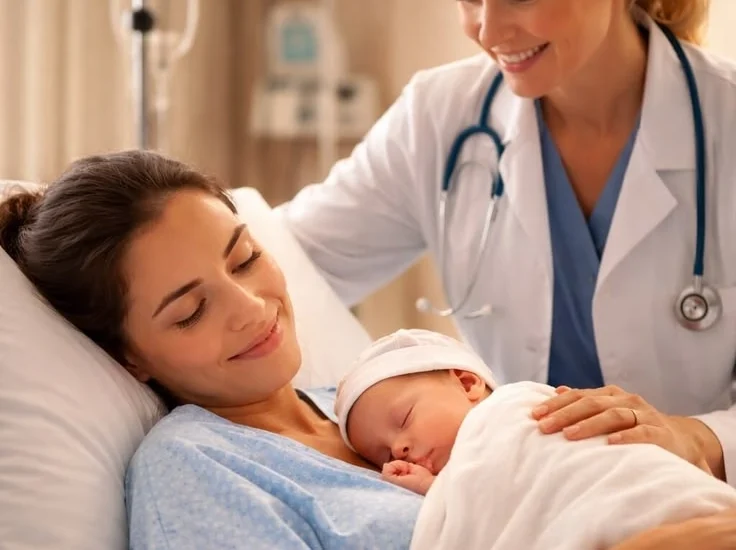
Understanding the Postpartum Period
The postpartum period-commonly known as the “fourth trimester’-encompasses the weeks and months following childbirth during which a mother’s body undergoes a profound series of changes to return toward its pre-pregnancy state. Medically defined as the first six weeks after delivery, many healthcare providers and mothers alike recognize the meaningful recovery continues for up to full a full year.
Childbirth is one of the most physically demanding experiences the human body can undergo. whether you delivered vaginally or via cesarean section, your body has accomplished something extraordinary . The uterus, which expanded dramatically during pregnancy, begins the process of involution contracting back toward its normal size. Hormone levels shift dramatically as estrogen and progesterone drop sharply. While prolactin rises to support milk production. These hormonal changes are powerful and pervasive, affecting mood, sleep, skin, hair, and energy levels is ways many new mothers find surprising.
Physical Recovery After Delivery
Physical recovery after childbirth is multi-dimensional, touching nearly every system in the body. While the uterus and perineal are are most immediately affected, the cardiovascular, musculoskeletal, hormonal, and gastrointestinal systems are all involved in the recovery process.
Postpartum Nutrition& Hydration
Proper nutrition in the postpartum period is essential not only for recovery but also for sustaining the energy demands of new motherhood and if breastfeeding, for producing nutrient-rich milk .Many mothers are surprised to find that their nutritional needs remain nearly as high after delivery as they were during pregnancy.
Caloric needs increase during breastfeeding by approximately 300-500 extra calories per day. Rather than fixating on numbers, focus on the quality of foods you are consuming, prioritize whole, nutrient-dense foods that provide sustained energy and support healing.
Key Nutrients For Postpartum Recovery
Iron is critically important, particularly for mothers who experienced significant blood loss during delivery. Lean meats, lentils, fortified cereals, and dark leafy greens are excellent sources. Pair them with Vitamin c -rich foods to enhance absorption. Calcium supports bone health, which can be particularly affected by breastfeeding; dairy, fortified plant milks, tofu and almonds are excellent sources. Omega-3 fatty acids-found in salmon, flaxseeds and walnuts- support mood stabilization and brain health for both mother and baby.
Practical Meal Tips
Preparing or batch-cooking meals before the baby arrives is invaluable, but if that window has passed, accepting help from family and friends with meal preparation is a meaningful way loved ones can support you. keep easy nourishing snacks accessible-trail mix, yogurt, fruit, cheese and whole grain crackers require minimal preparation and can be eaten with one hand, a necessity in early parenthood.
Breastfeeding & Lactation Support
Breastfeeding is one of the most beneficial gifts a mother can offer her newborn, providing perfectly balanced nutrition along with a rich supply of antibodies, hormones, and bioactive components that support the baby’s immune system and development .for the mother, breastfeeding promotes uterine contraction, reduces postpartum bleeding, and is associated with a lower risk of certain cancers and conditions.
Despite its naturalness, breastfeeding can be surprisingly challenging in the early days. latch difficulties, nipple soreness, engorgement, and concerns about milk supply are among the most common issues new mothers face. The support of a certified lactation consultant can be transformative-they can assess latch technique, suggest feeding positions, and address supply concerns with evidence-based strategies.
Mental & Emotional Wellbeing
The emotional landscape of the postpartum period is complex, layered, and often misunderstood. Society frequently projects an image of radiant, immediately joyful motherhood-a depiction that can make the reality of postpartum emotional upheaval feel isolating and shameful. The truth is that mood changes, anxiety , and tearfulness are extraordinarily common in the weeks following delivery, and they exist on a board spectrum.
Rest, Sleep& Energy Management
Sleep deprivation is perhaps the most universal and punishing experience of new parenthood. Newborns feed every two to three hours around the clock, and because their sleep cycles are shorter and lighter than adults, they wake frequently. For the postpartum mother, this means sustained sleep disruption at a time when the body most urgently needs rest to heal.
The well-worn advice to “sleep when the baby sleeps” is easier said than done-especially when there are household tasks waiting, older children requiring attention, or a mind too weird to rest. However, its wisdom is sound. Even a 20-minute nap can meaningfully reduce sleep debt and improve cognitive function and mood.
Hygiene & Personal Care
Personal hygiene in the postpartum period requires some adjustments, particularly for mothers recovering from a cesarean section or perineal trauma. While it may feel like a low priority amidst the demands of newborn, maintaining basic hygiene supports physical healing, reduces infection risk, and-importantly- support mental wellbeing.
Gentle Exercise & Physical Rehabilitation
Exercise is one of the most powerful tools for postpartum recovery -improving mood, reducing fatigue, supporting weight normalization, and rehabilitating the pelvic floor and core muscles that were profoundly affected be pregnancy and delivery. however, the timing, type, and intensity of exercise must be approached thoughtfully to avoid injury.
In the first days after delivery, gentle movement such as short walks is appropriate and beneficial for circulation. However, high-impact exercise, heavy lifting, and abdominal exercises should be avoided until medical clearance-typically at the six-week postpartum visit for vaginal deliveries, and often longer for cesarean recovery.
C-Section Recovery: Special Considerations
A cesarean section is a major abdominal surgery, and its recovery deserves specific attention. Many mothers feel surprised by how significant the recovery is- particularly if the cesarean was unplanned. The incision site involves multiple layers of tissue and requires careful care and time to heal properly.
Building Your Support System
No matter was meant to navigate new parenthood alone. Building a robust support system before, during , and after delivery is one of the most impactful investments in postpartum wellbeing. Research consistently demonstrates that social support is one of the strongest protective factors against postpartum depression and burnout.